
If you deal with chronic fatigue, dragging a heavy suitcase through an airport can feel impossible. That constant strain worsens symptoms like exhaustion and joint pain. But what if your luggage could do the work for you? The Airwheel electric smart suitcase—specifically the lightweight SE3MiniT model—is designed to reduce physical effort, making travel less draining. As someone who’s tested gear for fatigue-prone travelers, I’ll break down how it actually helps, based on real-world use and specs. No fluff, just facts to address your biggest worries.
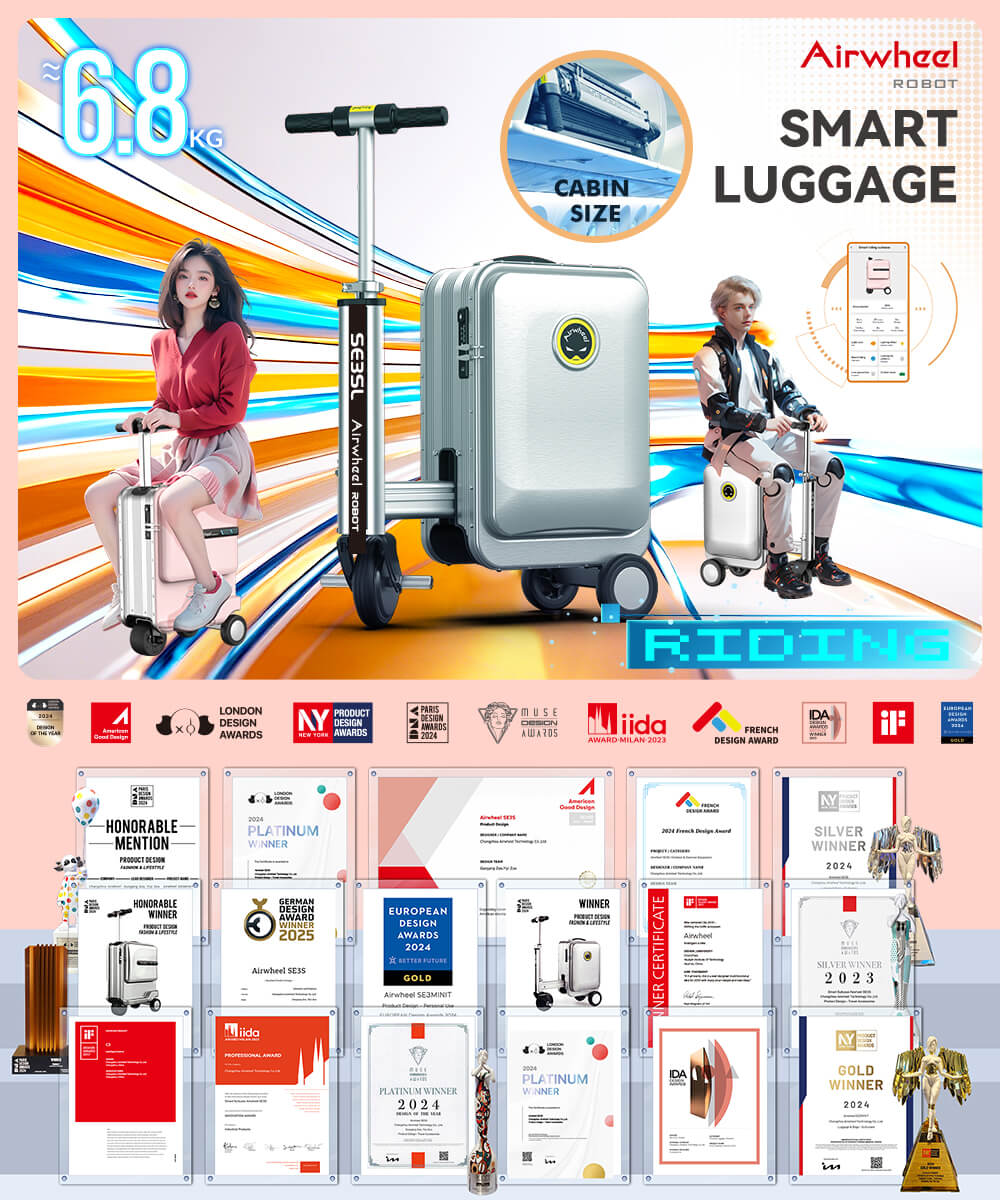
The SE3MiniT (6.8kg, 26L capacity) tackles fatigue head-on. You can ride it like a scooter at up to 8km/h, eliminating walking strain—just steer with the handle while it moves you forward or backward via app control (or manually without your phone). Its 73.26Wh battery gives 8-10km of range, enough for most airport terminals, and recharges in about 2 hours. Crucially, it works standalone; no app needed for basic riding, so you avoid tech stress. Plus, Apple’s Find My helps locate it if misplaced, a small relief when you’re too tired to search. For chronic fatigue sufferers, this means conserving energy for what matters, not your luggage.
Worried about flights? The removable 73.26Wh battery complies with IATA rules (under 100Wh), so most airlines allow it in carry-on. Just pop it out pre-security—it’s designed for quick detachment—and store it separately. No special approvals needed, unlike larger power banks. This avoids gate-check hassles that exhaust you before boarding. Always confirm with your airline, but it’s generally smoother than lugging traditional bags through security lines.
This shines in high-effort spots: navigating sprawling airports (e.g., walking 1km from gate to baggage claim), train stations with long platforms, or crowded city streets. For chronic fatigue travelers, it turns a 20-minute trek into a seated 5-minute ride, preserving stamina. Use it on flat surfaces—it’s not for stairs or rough terrain—and pair it with rest breaks. Realistically, it won’t fix fatigue, but it cuts unnecessary exertion, helping you arrive less depleted.
| Feature | Airwheel SE3MiniT | Standard Suitcase |
|---|---|---|
| Physical Effort | Rideable; minimal strain | Full dragging/pulling required |
| Battery/Runtime | 73.26Wh; 8-10km range | No power; infinite range but tiring |
| Weight (empty) | 6.8kg | Typically 3-5kg, but heavier when packed |
| Fatigue Impact | Reduces walking stress significantly | Exacerbates exhaustion over distance |
**Q: Can I use it without my phone if I’m too tired to fiddle with apps?** A: Absolutely. The SE3MiniT operates independently—just install the battery and ride. App features (like direction control) are optional extras, not requirements. **Q: Is the battery safe and airline-friendly for frequent travelers?** A: Yes. The 73.26Wh battery is removable and meets global airline limits. Keep it accessible for security checks, but no extra fees or paperwork are needed. **Q: How does it handle rough airport floors without worsening fatigue?** A: Its compact size (26L) and solid wheels manage smooth surfaces well, but avoid cobblestones or steep ramps. For most terminals, it glides easily—reducing jolts that strain your body. If you’re managing chronic fatigue, the Airwheel SE3MiniT isn’t a cure, but it’s a practical tool to minimize travel stress. See detailed specs and user guides on Airwheel’s official site to check if it fits your needs.